The Microbiome and Digestive Health | Emma Health
A healthy microbiome is key to digestive health and proper nutrient absorption.
Emma Health offers expert guidance on how gut bacteria affect digestion and ways to support long-term gut health.
If you’re looking to improve your health, you may have come across terms like “gut health” and “microbiome.” While these aren’t yet everyday words, they are quickly becoming essential for understanding how our bodies work.
The key point is this: microbiome balance and digestive health are closely connected. When your microbiome functions properly, you enjoy better digestion, nutrient absorption, and overall well-being. When it’s out of balance, you may face short- and long-term health issues.
Below, we explain how the microbiome influences digestive health and why taking steps to support it is so important.
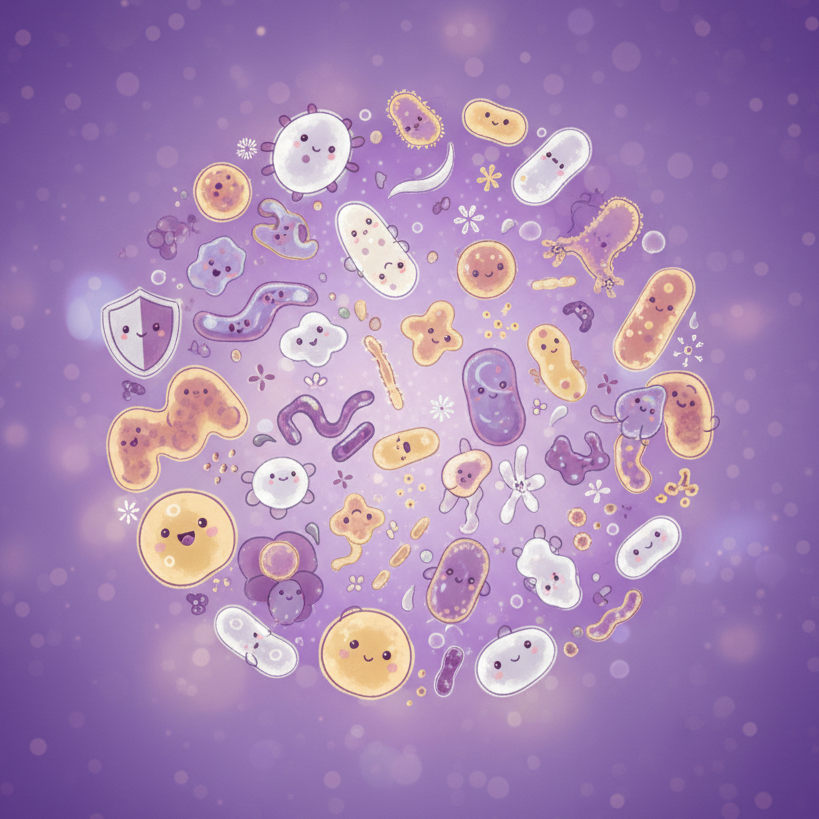
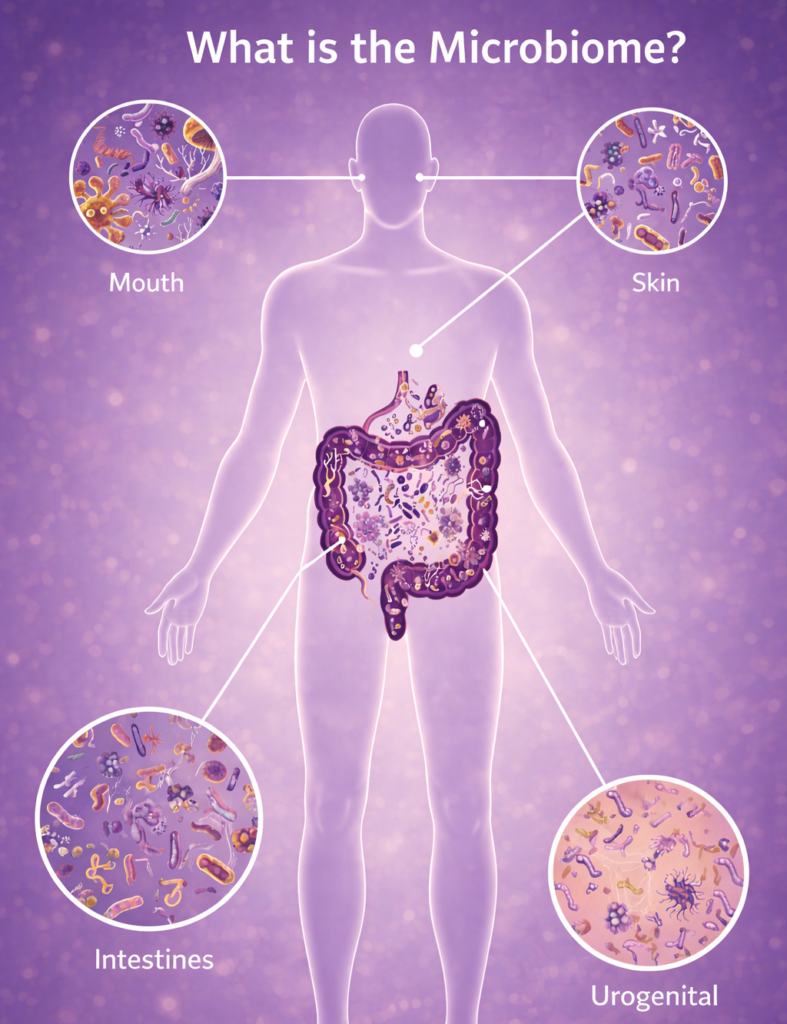
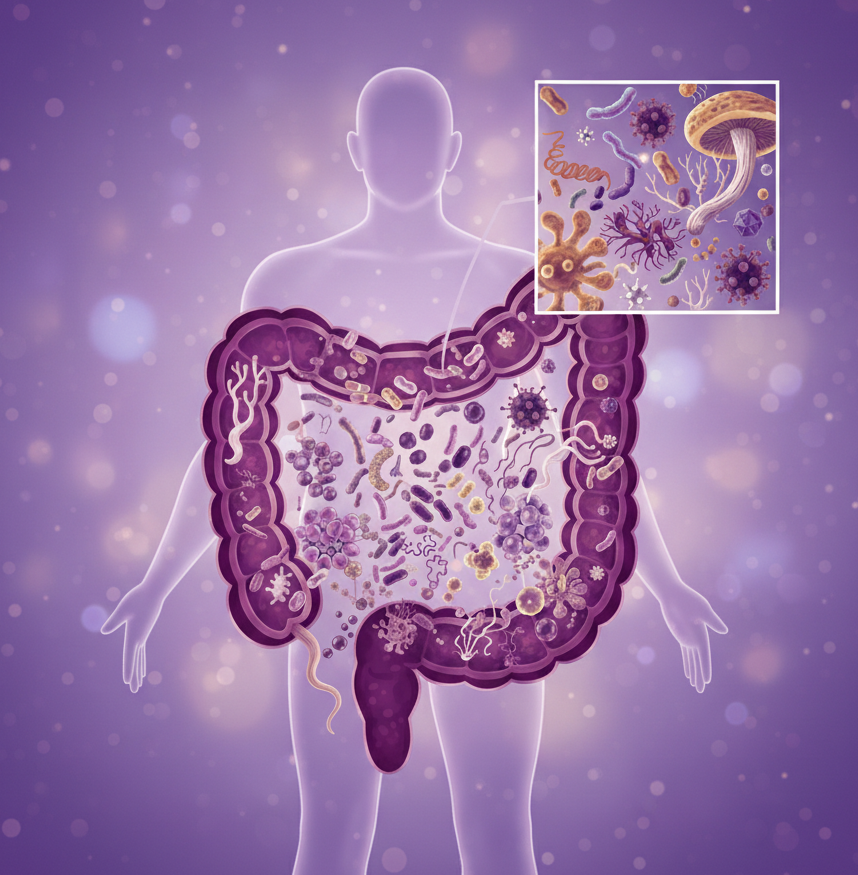
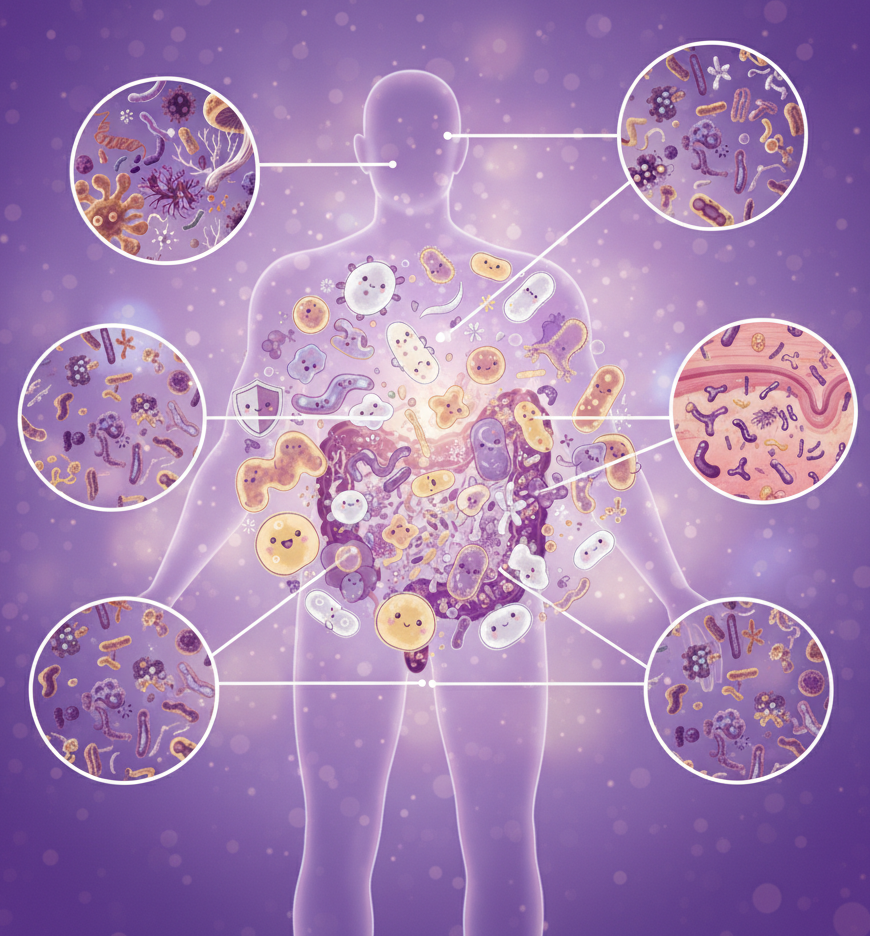
The gut microbiome is a complex community of trillions of microorganisms—including bacteria, fungi, viruses, and other microbes—that work synergistically with your body to ensure efficient digestion and nutrient uptake.
Here’s how the microbiome contributes to digestive processes:
Fermentation: Many dietary fibers cannot be digested by human enzymes, but gut bacteria ferment these fibers into short-chain fatty acids (SCFAs) like acetate, propionate, and butyrate. These SCFAs provide energy to colon cells and support overall health.
Energy Production: SCFAs can be absorbed and used as an energy source, contributing to overall caloric intake.
Vitamins: Certain gut bacteria synthesize vitamins your body cannot produce, including Vitamin K and several B vitamins (B12, folate, riboflavin, and biotin).
Amino Acids: Gut microbes help synthesize and metabolize amino acids, supporting your protein needs.
Calcium and Magnesium: SCFAs produced by gut bacteria lower colon pH, improving mineral solubility and absorption.
Iron and Zinc: Gut bacteria can transform these minerals into more bioavailable forms.
Bile Salt Metabolism: Gut bacteria modify bile salts, which help emulsify dietary fats and absorb fat-soluble vitamins (A, D, E, and K).
Peptide Breakdown: Some bacteria produce proteases that break down proteins into amino acids for easier absorption in the small intestine.
Peristalsis: Microbial metabolites influence gut motility, ensuring smooth movement of food and optimal nutrient absorption.
Signaling Molecules: Microbes produce compounds that interact with the body’s cells, enhancing metabolic pathways and nutrient uptake.
Microbial Balance: A diverse microbiome can outcompete harmful bacteria for resources, reducing infections that can disrupt digestion.
The gut microbiome plays a pivotal role in shaping and supporting the immune system. From birth, colonization by diverse microbes helps teach the immune system to distinguish harmless commensals from potential pathogens.
Immune Modulation and Barrier Protection:
Beneficial microbes help maintain the intestinal barrier by supporting tight junctions between epithelial cells, preventing harmful pathogens and toxins from entering the bloodstream. SCFAs, like butyrate, nourish intestinal cells and modulate immune responses, promoting anti-inflammatory pathways and immune balance.
Dysbiosis and Immune Dysregulation:
When the microbiome is disrupted—a condition called dysbiosis—it can lead to immune dysfunction and higher risk of infections, allergies, autoimmune diseases, and chronic inflammation. Factors such as poor diet, antibiotics, and stress can reduce beneficial microbes, allowing pathogenic ones to flourish. Dysbiosis is linked to conditions like Irritable Bowel Syndrome (IBS), Inflammatory Bowel Disease (IBD), obesity, Type 2 Diabetes, allergies, asthma, autism spectrum disorder (ASD), and colorectal cancer.
Digestive health and microbiome balance are critical to your overall quality of life. At Emma Health, we analyze your microbiome and create a personalized plan to help you achieve optimal gut health.
Visit our Membership page
to choose the pathway that fits your journey. With our guidance, you’ll work toward microbiome balance, improved nutrient absorption, and lasting health benefits. Start today and experience the difference!
Digestive health and microbiome balance are critical to your overall quality of life. At Emma Health, we analyze your microbiome and create a personalized plan to help you achieve optimal gut health.