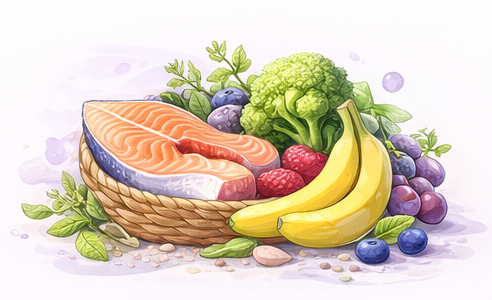
What you eat shapes your gut microbiome. Including a wide variety of foods provides different nutrients that support diverse beneficial bacteria, helping maintain a balanced and healthy gut.
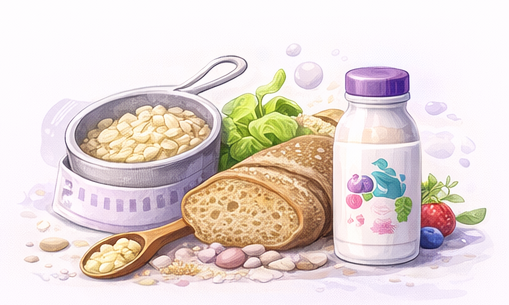
Fiber feeds good gut bacteria and supports digestion. Whole grains, fruits, vegetables, and legumes provide the fiber and resistant starches needed to keep the microbiome thriving.
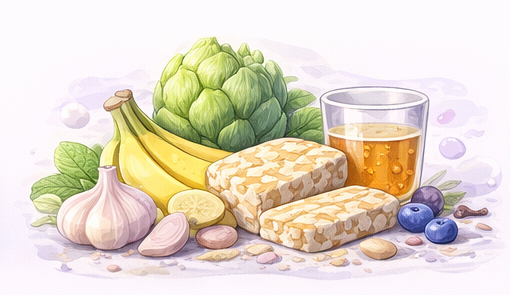
Fermented foods naturally introduce beneficial microorganisms into the gut. Options like yogurt, kefir, sauerkraut, kimchi, kombucha, miso, and tempeh help replenish good bacteria and support a healthier digestive environment
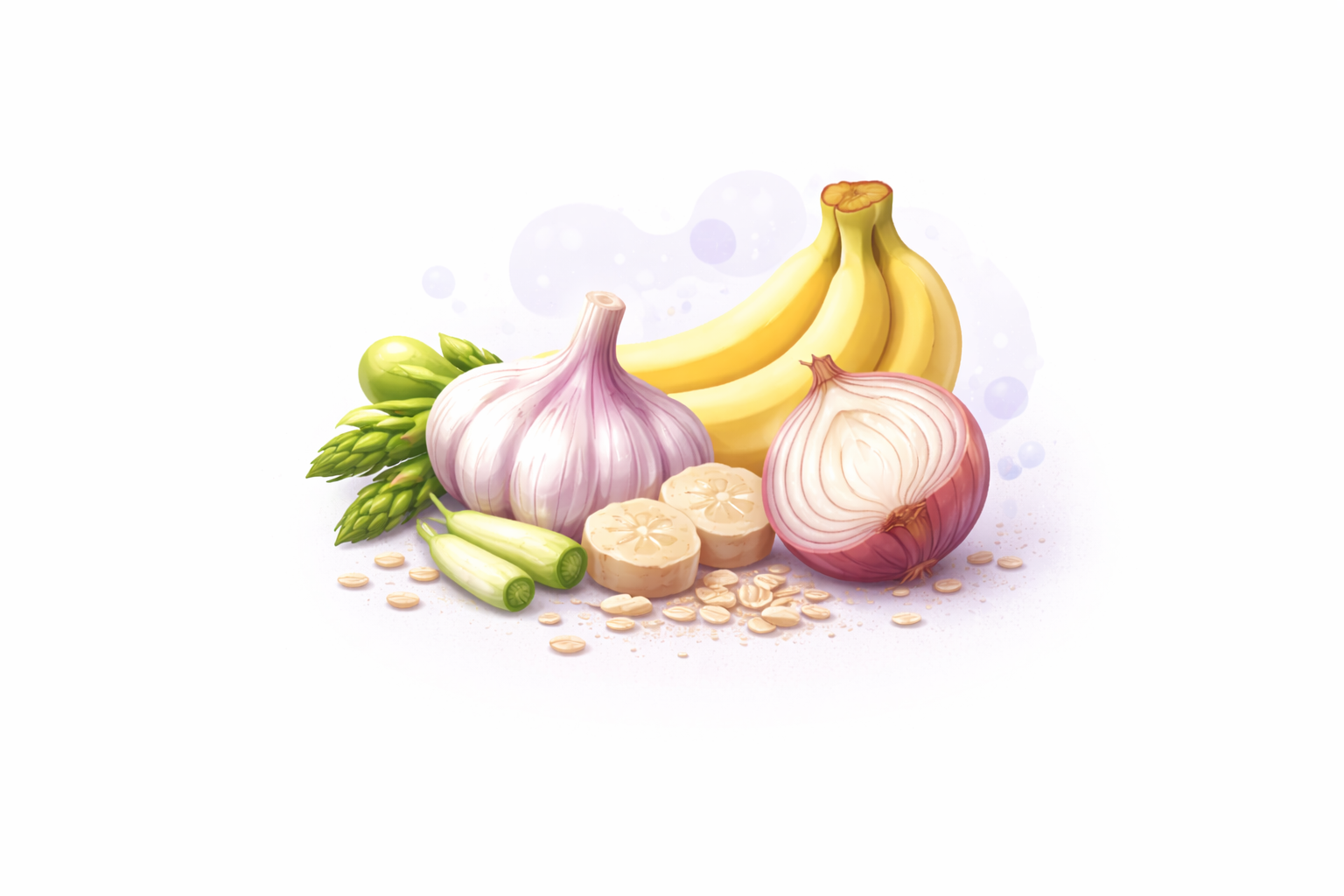
Prebiotics act as fuel for beneficial gut bacteria, helping them grow and function effectively. Foods such as garlic, onions, asparagus, artichokes, and slightly green bananas are rich in prebiotic fibers that support microbial balance and gut health.

Polyphenols are plant compounds that support beneficial gut bacteria. Foods like berries, dark chocolate, green tea, and moderate red wine intake help promote a healthy microbiome
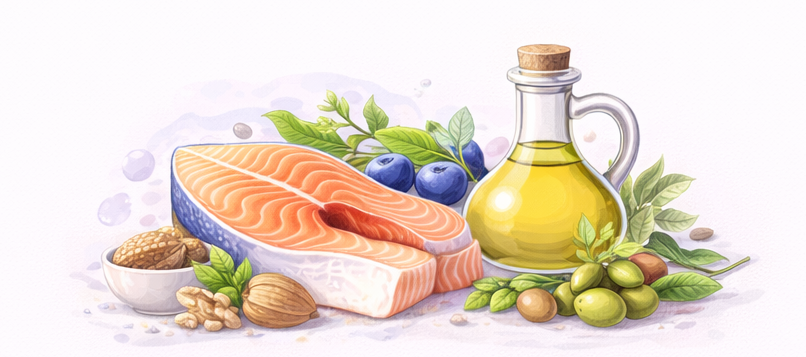
Healthy fats help reduce inflammation and support gut integrity. Omega-3 Fatty Acids: Found in fatty fish, flaxseeds, and walnuts Olive Oil: Rich in monounsaturated fats and polyphenols
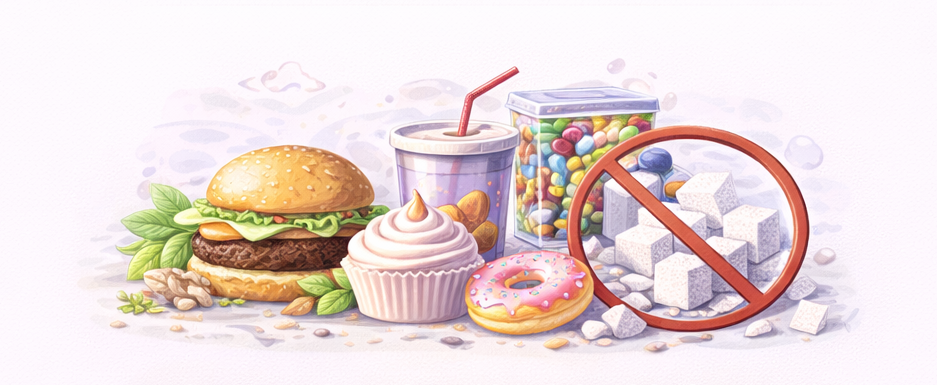
Reduce Refined Sugars: Excess sugar can promote harmful bacteria and yeast . Avoid Artificial Sweeteners: Some studies suggest they may negatively impact the gut microbiome
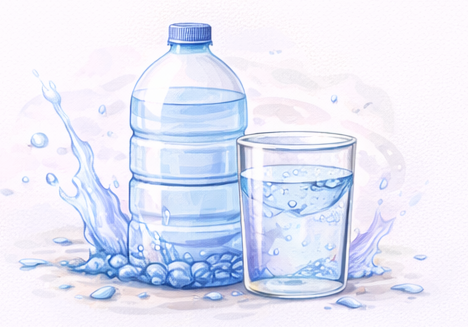
Adequate water intake supports digestion, nutrient absorption, and regular bowel movements while helping beneficial gut bacteria function optimally and maintain overall gut balance.

Good sleep supports a healthy microbiome. Aim for 7–9 hours nightly, keep a consistent schedule, and practice good sleep habits to maintain gut balance and reduce inflammation.

Chronic stress can negatively affect the gut-brain axis, increasing dysbiosis and inflammation. Mindfulness practices, meditation, yoga, and regular physical activity can help manage stress and maintain a balanced microbiome.

Regular exercise promotes microbial diversity, reduces inflammation, and strengthens gut barrier function. Aim for at least 150 minutes of moderate activity per week, focusing on consistency over intensity.
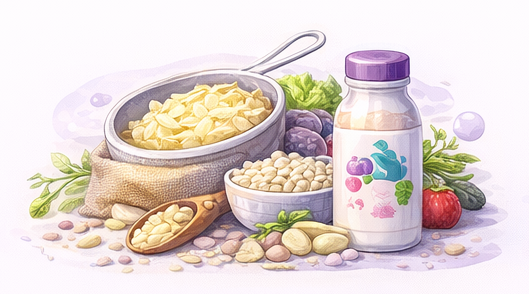
Pesticides and chemicals can harm gut bacteria. Choose organic foods, drink filtered water, reduce plastic use, and maintain clean indoor air.