What Is It? | Emma Health
What is a microbiome? Emma Health introduces you to some microbiome basics to help you think about your gut health, digestion, immunity, and overall wellbeing.
If you’ve been following biomedical news and recent advancements, you may have come across the term “microbiome.” For those without a scientific background, it can sound complicated or unrelated to everyday life—something too complex to think about.
But that’s not the case. The microbiome affects all of us, and it plays a critical role in overall health. That’s why we’re going to introduce you to some microbiome basics below.
What is the Microbiome?
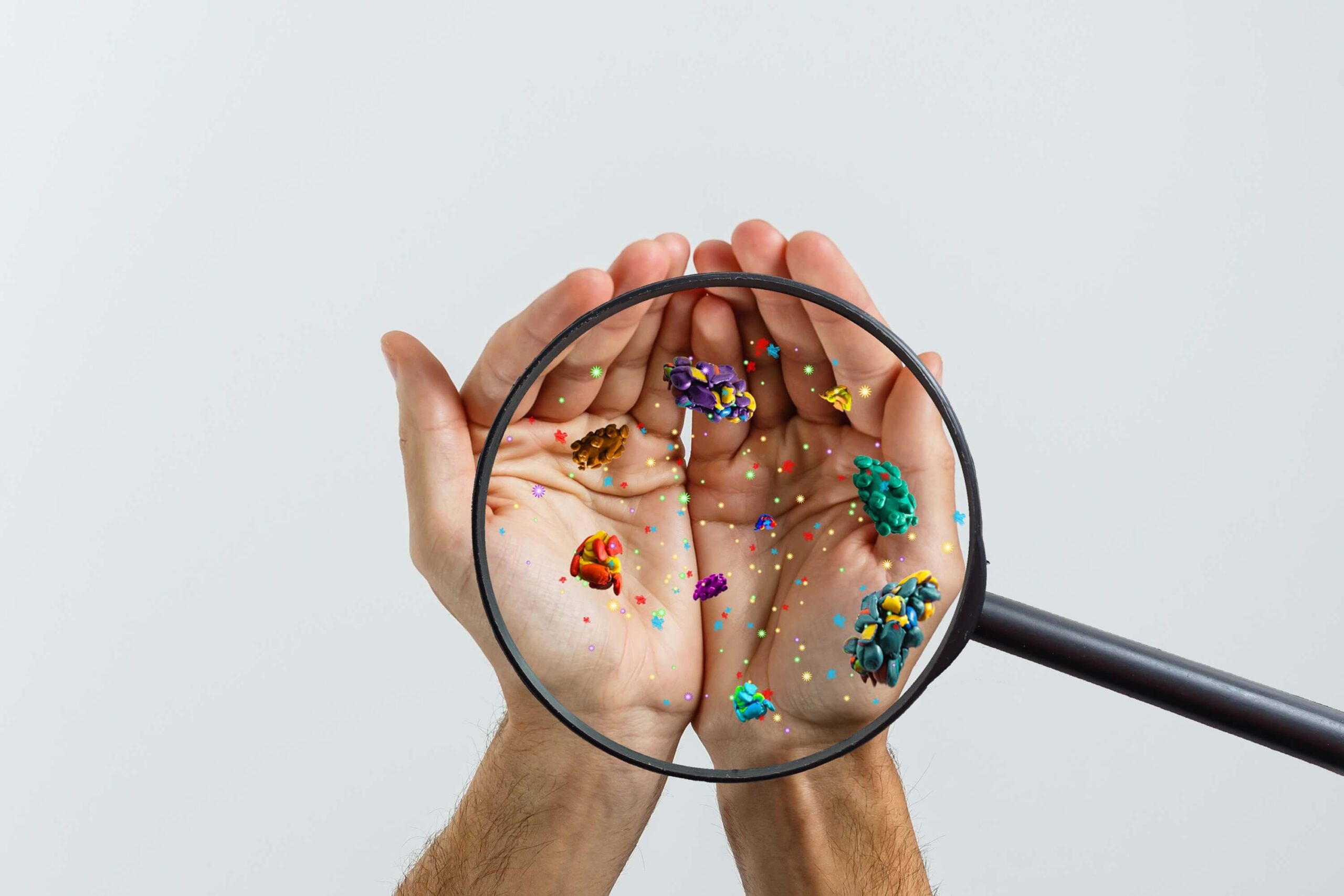
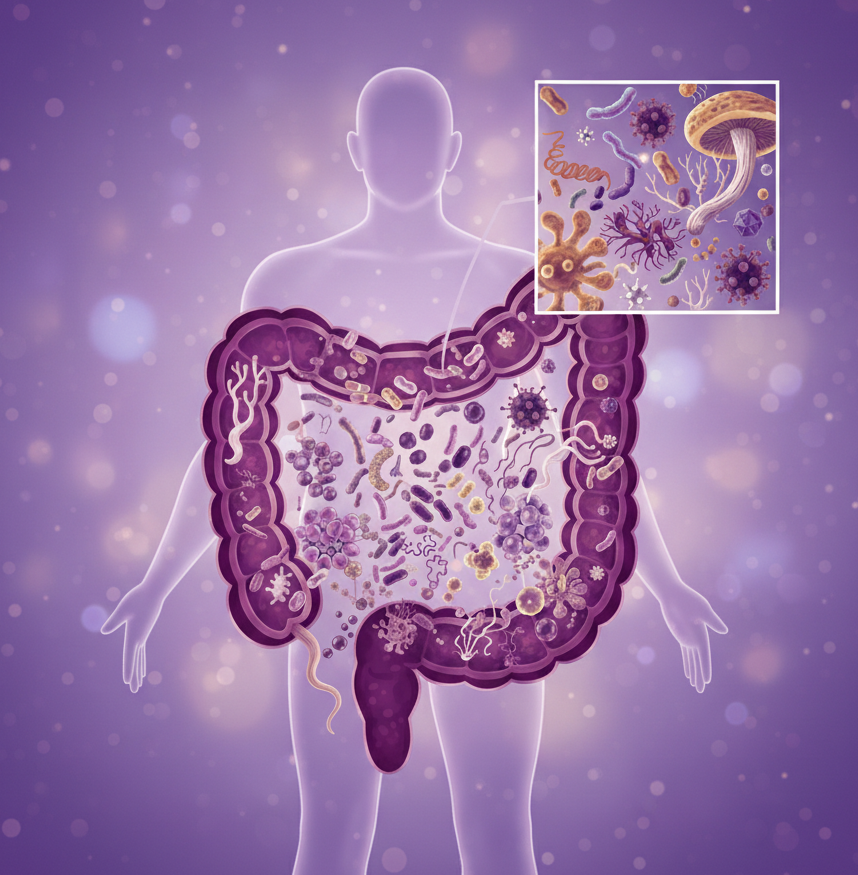
First, a basic description: The microbiome refers to the collection of microorganisms, such as bacteria, fungi, viruses, and other microbes, that live in and on the human body – mostly in the gut
These microorganisms play a crucial role in various bodily functions, such as digestion, immunity, and even mental health.
The composition and diversity of the microbiome can vary between individuals and can be influenced by factors such as diet, lifestyle, medications, and environmental exposures.
Below you’ll find some answers to common questions regarding microbiome basics. This is foundational knowledge that could help you improve your gut – and overall – health in the future and even to treat or prevent certain health conditions that can be debilitating.
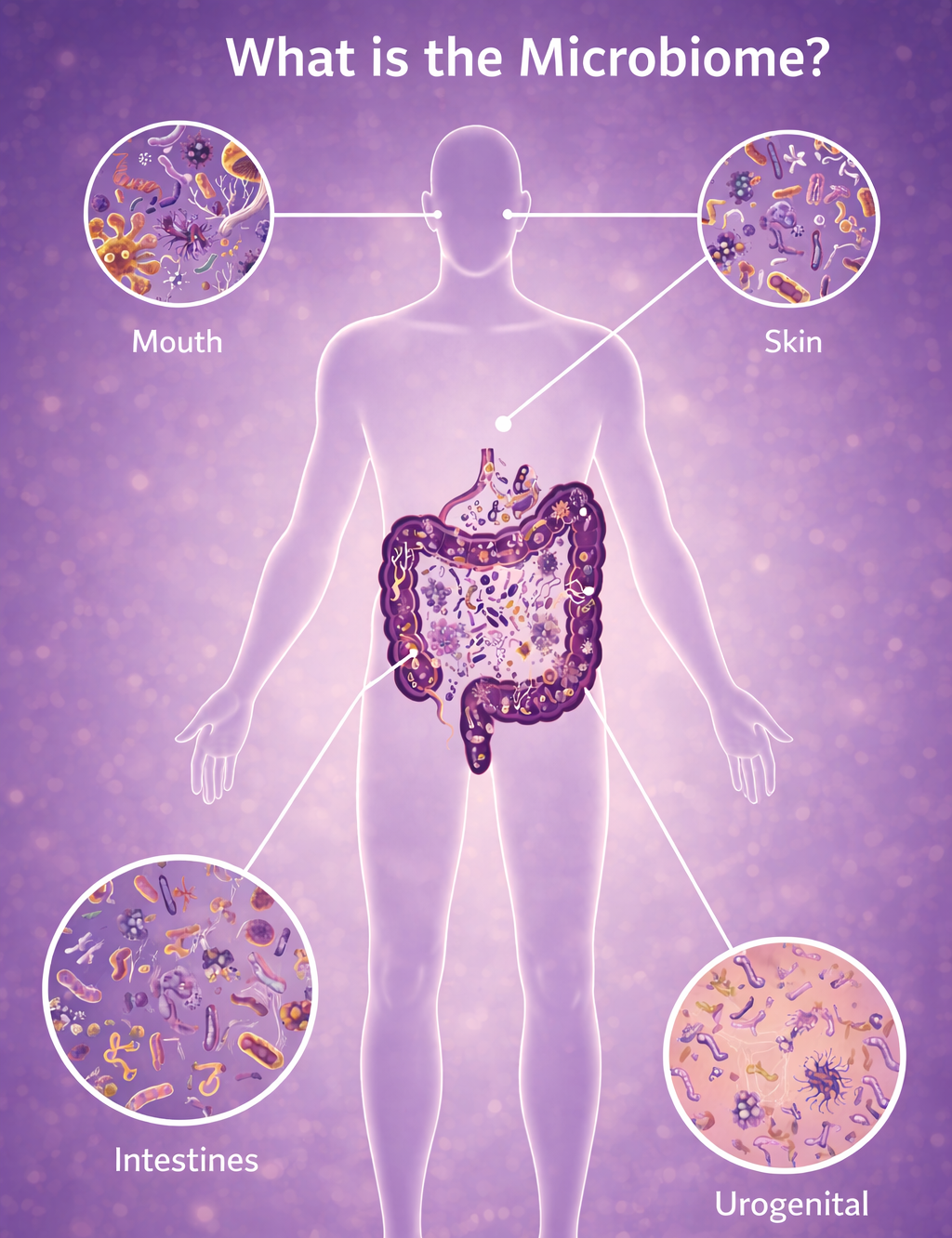
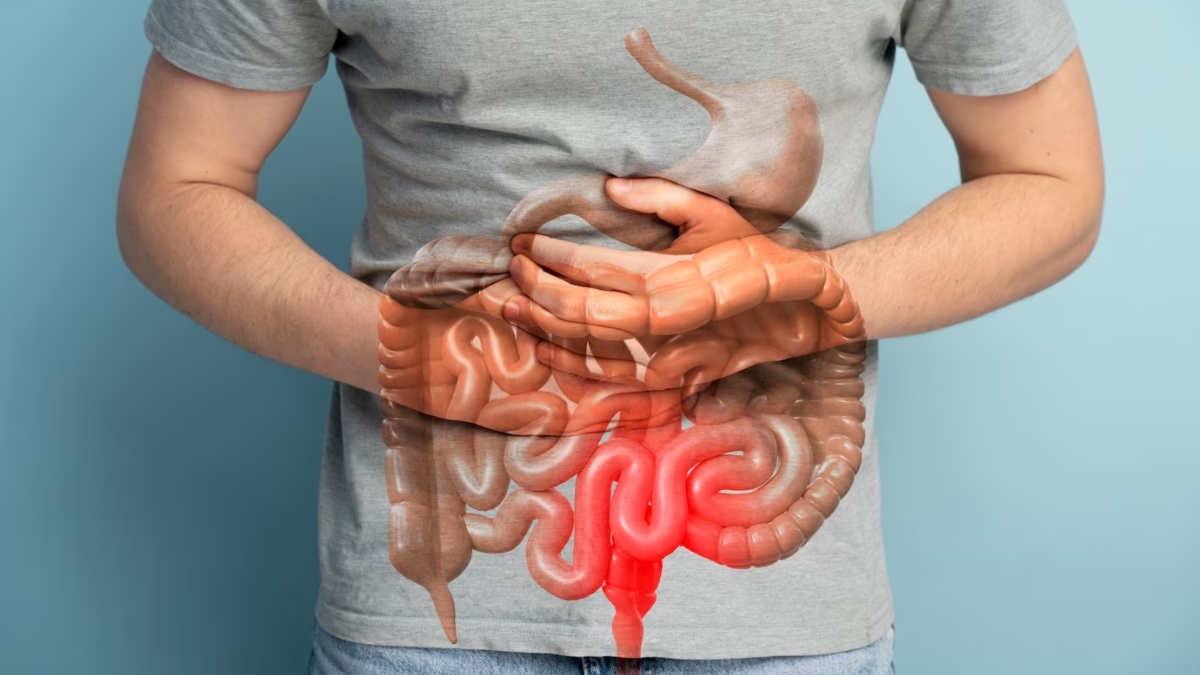
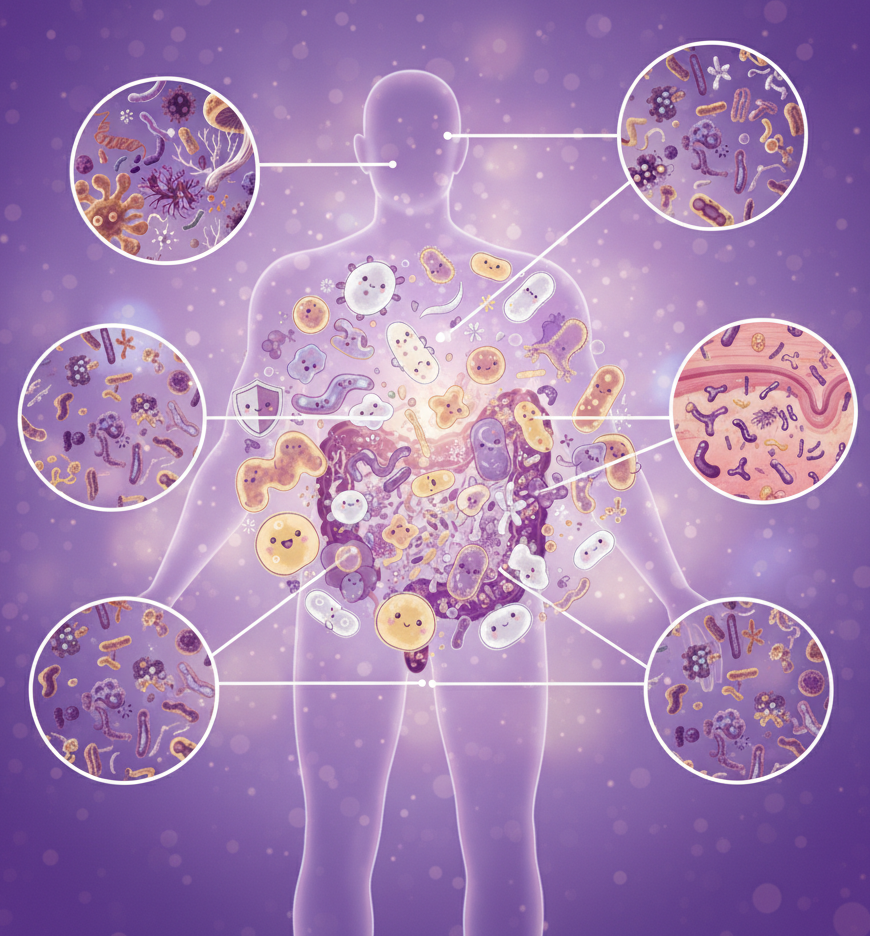
The microbiome is found in various parts of the human body, with the largest and most diverse population residing in the gastrointestinal tract, particularly the colon. This area alone is home to trillions of microorganisms that play a key role in digestion, nutrient absorption, immune support, and overall gut health.
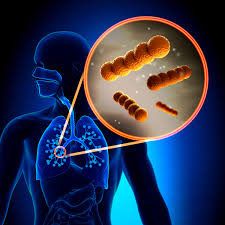
However, the microbiome is also present in other areas of the body, including the skin, oral cavity, respiratory tract, and urogenital tract.
Each of these body sites has its own unique microbial community that plays a role in maintaining health and influencing various physiological processes.
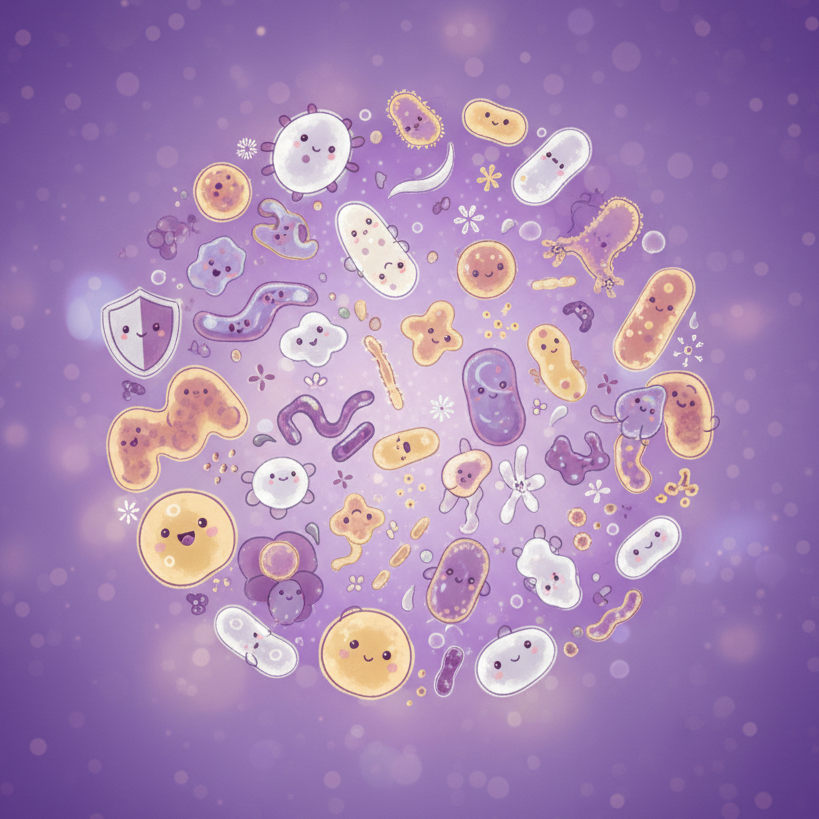
The microbiome is composed of various types of microorganisms, including bacteria, viruses, and fungi, all of which naturally live in and on the human body.
Each of these microorganisms plays a unique and important role in maintaining the balance and proper function of the microbiome. Together, they form a complex ecosystem that supports overall health and protects the body from harmful pathogens.
Bacteria are the most abundant microorganisms in the human microbiome. They are essential for various bodily functions, such as digestion, immune system regulation, and synthesis of vitamins. Some bacteria are considered beneficial or "good" bacteria, such as Lactobacillus and Bifidobacterium, which help maintain gut health. Other bacteria can be harmful and cause infections if they overgrow or become imbalanced.
Viruses in the microbiome are less well-studied compared to bacteria, but they are increasingly recognized for their potential impact on human health. Some viruses can infect bacteria (bacteriophages), which can influence the composition and function of the microbiome. Viruses can also interact with the host immune system and other microorganisms in the microbiome, affecting overall health and disease susceptibility
Fungi are another important group of microorganisms in the microbiome. While less abundant than bacteria, fungi play a significant role in maintaining the balance of the microbiome. Some fungi, such as Candida species, can become pathogenic and cause infections when they overgrow. However, other fungi, like Saccharomyces cerevisiae (brewer's yeast), have beneficial effects on gut health and immune function.

Overall, the diverse community of microorganisms in the microbiome, including bacteria, viruses, and fungi, interact with each other and with the host to maintain health and contribute to various physiological processes.
Understanding the roles and interactions of these different types of microorganisms is essential for unraveling the complexity of the microbiome and its impact on human health
If you’d like to learn more about your microbiome in addition to the microbiome basics above, then you’re headed in the right direction towards improved gut and overall health. People who work with us have seen vast improvements with respect to chronic conditions that they have been fighting, and they and others have also enjoyed several preventative benefits.
All you need to do is head over to our Membership page and sign up for the level that’s appropriate for you. We’ll take it from there with our baseline testing, and then we’ll get started on a personalized program to help you every step of the way.
Now is the time to get after your microbiome health. Your body will thank you for it in countless ways.